Preparing A Cortez Area Rural Home For Today’s Buyers
July 2, 2026
July 2, 2026
If you are selling a rural home near Cortez, you are not just selling square footage. You are selling access, usability, upkeep, and peace of mind. In a market where buyers have options, the homes that stand out tend to feel well cared for and easier to understand. This guide will walk you through the prep work that matters most for today’s Cortez-area buyers. Let’s dive in.
In May 2026, Montezuma County showed signs of a buyer’s market, with 366 homes for sale, a median listing price of $482,000, and a median 58 days on market according to Realtor.com. Redfin also reported a median sale price of $363,909 and an average 40 days on market in the county during that same period. In Cortez, Realtor.com showed a median listing price of $402,500, while Zillow reported an average home value of $345,260 and a median list price of $384,916 as of May 31, 2026.
Those numbers do not tell one single story, but together they point to a market where buyers can compare condition, value, and property details carefully. That means preparation matters. For a rural seller, the best improvements are often the ones that reduce questions and help a buyer see how the property works in everyday life.
Rural buyers do not stop at the front door. They notice the driveway, fencing, outbuildings, equipment areas, and how the land feels as they move through it. If the property looks scattered or hard to maintain, buyers may assume bigger issues are hiding underneath.
A good first step is clearing clutter, scrap, and unused equipment from visible areas. Montezuma County’s comprehensive plan specifically ties junk, trash, and visual blight to public health, safety, and property values. A cleaner site can help your property feel more functional, cared for, and ready for its next owner.
Trim overgrowth along the drive, around the home, and near major outbuildings. Mow or cut back areas that make the property look neglected. The goal is not to erase the rural setting. The goal is to help buyers see the land clearly.
Montezuma County’s land use policies place value on rural character and visual resources. A tidy homesite with open sightlines often supports exactly what many buyers hope to find in the Cortez area.
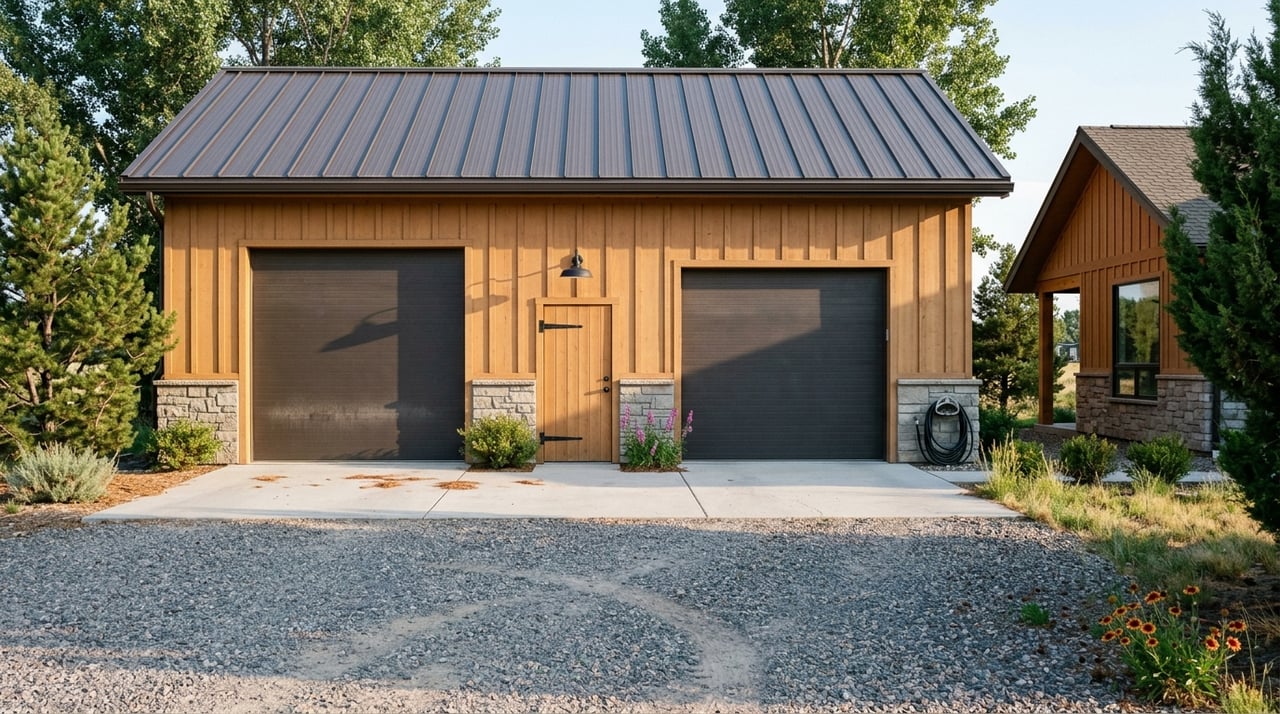
Old trailers, broken panels, stacked materials, and idle machinery can distract from the property’s strengths. If something is not part of the sale or not adding value, remove it if you can. Buyers tend to respond better when barns, sheds, and open areas read as useful rather than overloaded.
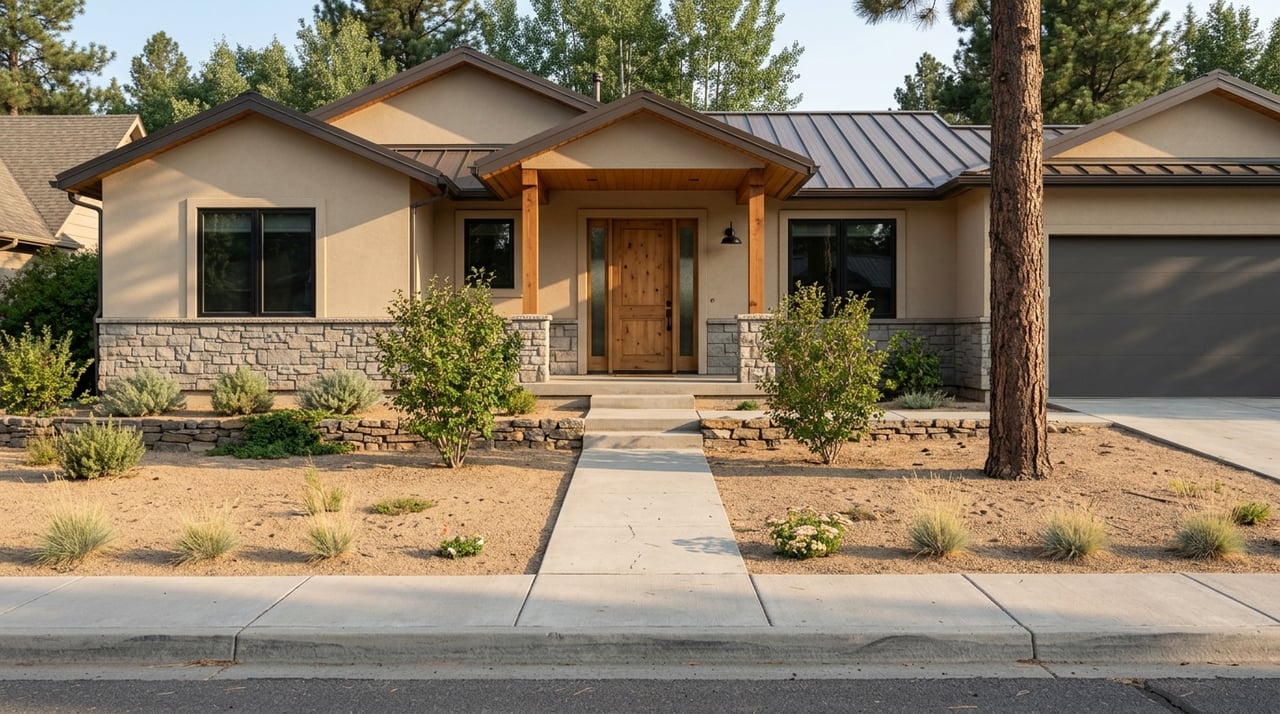
Fresh paint can help, but rural buyers often look first for signs that the property has been maintained. In the Cortez area, wildfire preparation is part of that picture. Colorado State Forest Service guidance says the home ignition zone starts with the structure and works outward, and that ongoing maintenance is needed to keep a home better prepared.
Before spending heavily on cosmetic updates, focus on visible maintenance that helps buyers feel more confident. Clean roofs and gutters, screen vents where appropriate, and reduce nearby fuels around the house. If your roof is newer or has a Class A rating, that may also be worth noting in your property information.
Detached garages, barns, storage buildings, and sheds matter more than many sellers expect. Colorado State Forest Service guidance recommends defensible space around each building on the property, not just the main home. If a buyer sees the house looking sharp but the barn area overgrown, the property can still feel unfinished.
Walk each structure as if you were seeing it for the first time. Clear weeds, trim back brush, and remove debris near entrances and walls. Simple cleanup can make these buildings feel like assets rather than projects.
Access is a major part of the buyer experience on rural property. If visitors struggle to find the address, wonder where to turn, or question road conditions, uncertainty starts early. Montezuma County’s addressing program exists in part to make access easier for emergency responders and the public, and the county notes that address inaccuracies can affect emergency services, utility connections, and package delivery.
Make sure your county-assigned 911 address is correct and posted clearly at the driveway entrance. Check that numbers are visible from the road and easy to read in different light conditions. This is a small detail, but it carries a lot of weight with buyers.
Road questions come up often in rural sales. Montezuma County notes that driveway access permits are required for access from a county road unless the property connects to a red-signed road that is not county owned or maintained. The county also states that it does not assume maintenance responsibility on private roads.
If your property is on a private road, be ready to explain what you know about easements, shared upkeep, grading, and snow removal. Buyers will want a practical picture of what daily access looks like. If you can answer those questions early, the showing process feels smoother.
One of the biggest differences between rural and suburban property is paperwork. Montezuma County states that it does not issue Certificates of Occupancy and does not have a building department for residential construction, though owners may hire a qualified inspector. That means buyers may rely more heavily on whatever records you can provide.
Start gathering documents before your home goes live. Permits, receipts, inspection reports, repair invoices, and manuals can all help tell a clearer story about the property’s condition and history.
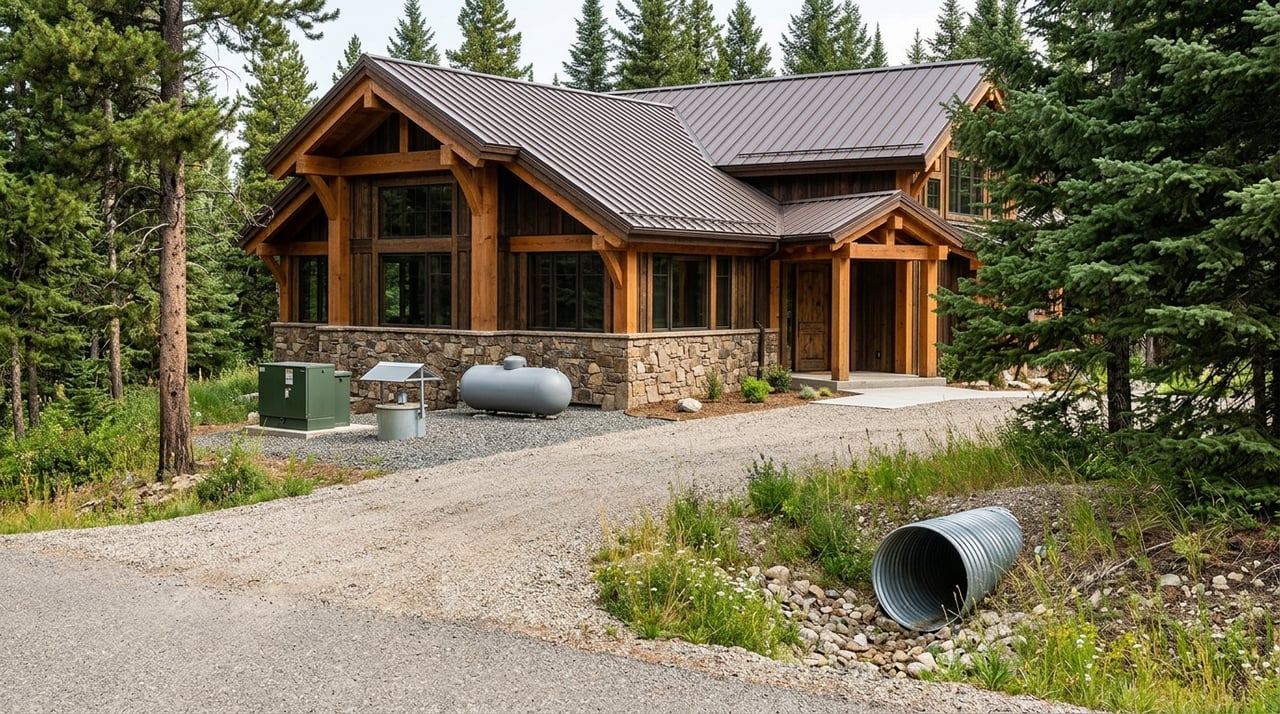
If your home uses a septic system, pull together the records as early as possible. Montezuma County Environmental Health reviews septic applications and issues permits. The county’s OWTS materials also note that design by a Registered Professional Engineer is required before an application will be accepted, inspections are required before backfill, variances are not allowed, and some higher-level systems require operating permits.
Even if your system is older, any permit records, design information, maintenance history, pumping receipts, or service notes can be helpful. Buyers are often less nervous when they can see a paper trail.
If your property uses a private well, gather well documents and consider recent water testing. The Colorado Department of Public Health and Environment states that private wells are not regulated under the Safe Drinking Water Act and that the well owner is primarily responsible for water safety. The Division of Water Resources issues well permits and maintains forms for new, replacement, and existing wells.
A buyer may ask when the well was last tested, what the flow is, or whether permit records are available. Having those answers ready can remove a major point of hesitation.
Before listing, take time to confirm the details buyers will compare closely. Montezuma County’s GIS office maintains parcel, road, address, district, soils, flood zone, terrain, and land-use zoning information. That makes GIS a practical tool for checking key facts before your property hits the market.
This step can help you confirm parcel boundaries, road names, address details, and whether there are zoning or flood-related issues that need attention. Rural properties are often judged by specifics, so accuracy matters.
If your parcel is low-lying or near a drainage, verify whether any portion falls within a FEMA floodplain. In unincorporated Montezuma County, new construction or substantial improvements, including septic, within a FEMA floodplain require proof of compliance and a floodplain development permit.
Even if your home is not new, buyers may ask about floodplain status if the setting suggests drainage concerns. Knowing the answer ahead of time can prevent surprises later.
Acreage sells best when buyers can quickly understand how it functions. Montezuma County’s planning and land use policies emphasize agriculture, rural character, and open character. In practice, that means buyers often respond well to land that feels maintained, intentional, and easy to interpret.
If you have pasture, pens, sheds, fenced sections, or equipment areas, present them clearly. Define what each area is used for and make it easy to walk or view. Buyers should be able to see how the land supports daily use, not just admire the scenery.
Barns, corrals, loafing sheds, and fencing can add real appeal when they appear serviceable and organized. Clear around gates, stack materials neatly, and make sure pathways are accessible. If the property supports animals or equipment, a simple, tidy presentation helps buyers picture that capability.
County guidance also notes that subdivision covenants can be more restrictive than county minimum standards. If your property is in a subdivision, review those covenants before marketing features tied to fencing, structures, or livestock use.
If your property has agricultural features, describe them accurately. Montezuma County says agricultural classification depends on the land’s primary purpose and requires legal agricultural use for two years before classification. The county also notes that grazing or boarding pleasure horses does not qualify as ranching use for tax classification purposes.
That means it is smart to avoid broad tax or classification claims unless your records support them clearly. Buyers appreciate straightforward information, especially when land use is part of their decision.
Today’s buyers often come prepared with detailed questions, especially on acreage and rural homes. If you can answer those questions upfront, your property feels easier to buy. That confidence can make a real difference in a more price-sensitive market.
Common questions usually include:
The more of these answers you can prepare before listing, the stronger your presentation becomes.
When a buyer arrives, they are usually asking a simple question: does this property feel manageable? That feeling comes from more than décor. It comes from clear access, visible maintenance, organized land use, and records that support the story of the property.
In the Cortez area, many rural homes offer features buyers genuinely want, such as space, privacy, outbuildings, and room to use the land. Your job before listing is to make those features easier to understand and easier to trust.
If you want practical guidance on preparing a rural home, acreage property, or land listing in Southwest Colorado, Amber Johnson can help you focus on the details that matter most to today’s buyers.
Stay up to date on the latest real estate trends.
Get assistance in determining current property value, crafting a competitive offer, writing and negotiating a contract, and much more. Contact me today.